
A Brand New Year Just Arrived. Time To Shape Up!

By Erica and Karen
It’s 2025. A new year. What does that mean?
It means you have to get up and move!
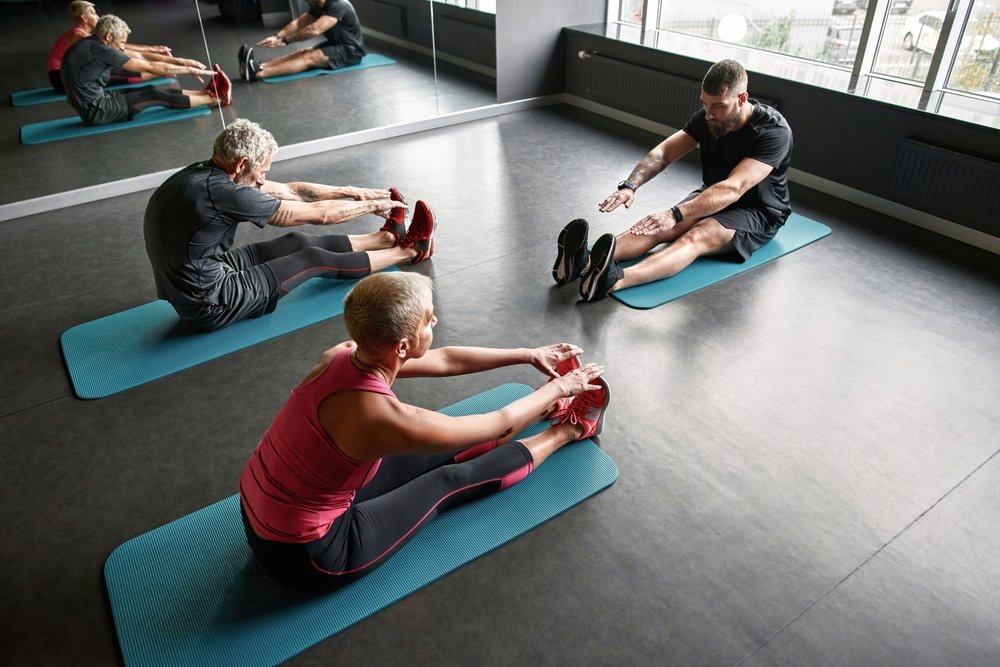
We have bought into that truism. We weren’t always too good about exercise. We have both always walked, a lot, and we still do. When people told us we had to do more, especially weight training, we resisted. We had no time, we weren’t planning to be in the Olympics, we had better things to do. But as we grew older we realized we were out of good excuses, especially after we retired.
-
We were keeping busy, but we really were not too busy to go to the gym.
-
We developed osteopenia, and then osteoporosis. Doctors told us to do weights if we wanted to remain upright.
-
We began to understand that not all parts of our bodies were properly worked out just by walking.
-
We met people our age, and older, who were much more fit than we were.
-
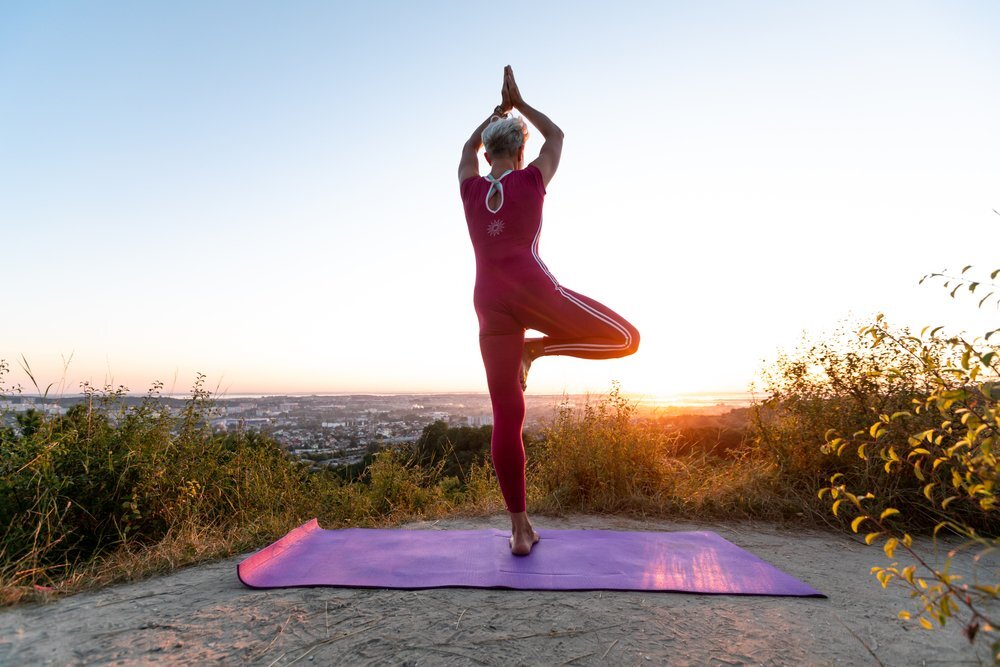
We fell down! That was nothing new, but we learned we could train our bodies to balance better—and that better balance might promote healthy longevity—by preventing at least some of those falls.
-
We got over caring about what other people thought when we went to the gym. In fact, we noticed no-one looked at us.
-
We learned that brain health is impacted by physical activity. That was a real revelation, and a grand motivator.
So we started, slow, and built up a little head of steam. Now we miss working out when we skip it altogether, which happens. Our slothful ways return during holidays and when we travel.
And though we seldom consult The Center for Disease Control and Prevention (CDC), it turns out the CDC often has useful things to say:
Every week, adults 65 and older need physical activities that include:
-
At least 150 minutes (for example, 30 minutes a day on 5 days a week, or 22 minutes a day) of moderate-intensity aerobic activity, such as brisk walking. Or 75 minutes a week of vigorous-intensity aerobic activity, such as hiking, jogging, or running. Or this can be an equivalent mix of moderate- and vigorous-intensity aerobic activity.
-
At least 2 days of activities that strengthen muscles.
-
Activities to improve balance, such as standing on one foot.
You are probably one of the people our age who exercises frequently. If not, time to change! Do you think it’s too late? Check with your doctor, but probably the opposite is true.
There’s a powerful myth that getting older means getting decrepit,” says [Chhanda Dutta, PhD, chief of the Clinical Gerontology Branch at the National Institute on Aging].“It’s not true. Some people in their 70s, 80s, and 90s are out there running marathons and becoming body-builders.” A lot of the symptoms that we associate with old age — such as weakness and loss of balance — are actually symptoms of inactivity, not age, says Alicia I. Arbaje, MD, MPH, assistant professor of Geriatrics and Gerontology at Johns Hopkins University School of Medicine in Baltimore.
Exercise improves more than your physical health. It can also boost memory and help prevent dementia. And it can help you maintain your independence and your way of life. If you stay strong and agile as you age, you’ll be more able to keep doing the things you enjoy and less likely to need help.
Exercising daily—at least almost daily—should just become routine, If it does, the benefits are many—to your body, to your brain, to your outlook.
If we can do it, you can do it!
Happy New Year!


We want to hear what you have to say.