
Ever Tried Team Sports?

By Karen and Erica
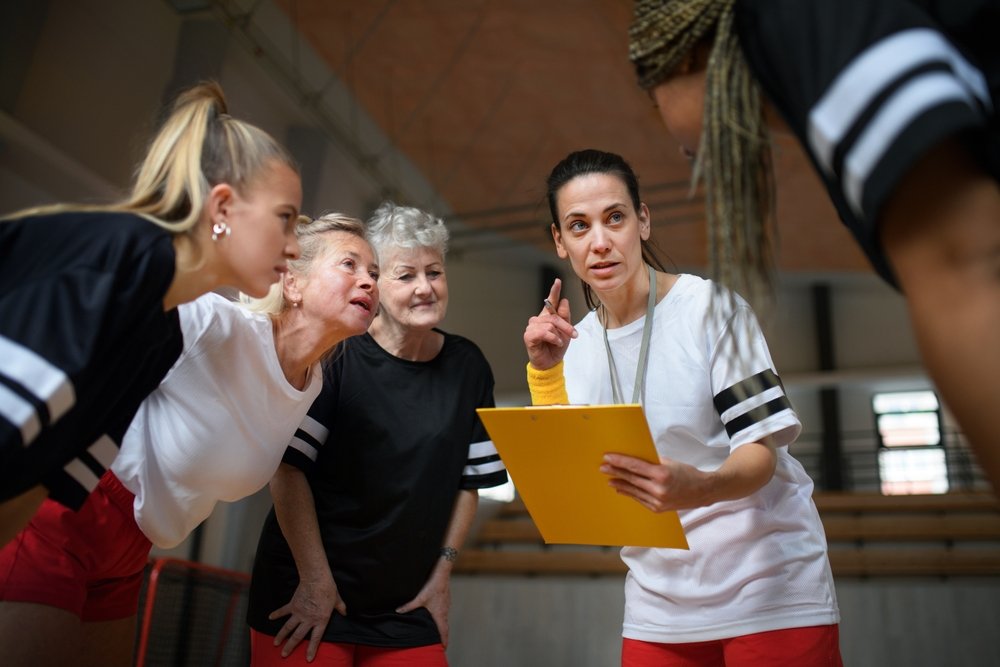
When we were growing up, we were not encouraged to become involved in team sports. Title IX changed that:
In 1972, only 1 of 27 high school girls played varsity sports. In 1998, that figure was 1 in 3, whereas 1 of every 2 boys participated in varsity high school sports. The increase in the participation of women in Olympic, college, and high school sports during the 24 years following Title IX has been well documented.
In addition to female athletes in educational institutions, there are now more than 55 million women who participate in recreational sports and fitness activities regularly. Women represent more than 55% of all volleyball players, 43% of all runners, and 41% of all soccer players. Unlike American men, who have traditionally been pressured to participate in the sports of football, baseball, basketball, and ice hockey, women’s foray into sports has been much more eclectic. (Citations omitted.)
But most of us did not have the benefit of Title IX, and were not encouraged to engage in any sport, let alone team sports. Many women our age opted out of sports a long time ago, and never opted in again. And they are not likely to opt in now. Why?
Some women decide as early as primary school that they aren’t the sporty type and keep this perception throughout their lives. But where does this perception come from? Well, it comes from the kinds of people women are subconsciously presented with in sports advertising, marketing and media.
[A] Nike advert is an interesting example of this. It commendably showcases a diverse range of athletes from different ethnicities and genders, and even manages to represent the LGBTQ+ community through an athlete holding rainbow-coloured flairs. But where are the older people? Everyone in the video appears younger and most are slim. Once again, ageism remains the last acceptable “ism”.
That is too bad, because the benefits of team sports are many.
It’s well documented that participating in sport can have huge benefits for mental and physical wellbeing. For example, people who are physically active are 30% less likely to develop depression and, according to our research with The Business School at City University London, sport can even help you live up to 13% longer.
It’s also never too late to start experiencing the benefits of sport. Research has shown that people who increased activity levels between the age of 50 and 60 lived as long as those who were already exercising regularly in middle age.
We can opt in even now—even though we are no longer in school. Organized soorts provide women a wide range of positive outcomes.
Organized sport also provides older women with opportunities to manage their identity, experience community, and experience empowerment . While sport may not be ideal for all older adults, it may provide a unique opportunity for older women to enjoy a range of benefits and fulfill a range of motivations beyond simply exercise, including hedonic enjoyment, social interaction, and psychological benefits. A study by Berlin, Kruger, and Klenosky (2018) found older women involved in exercise-based activities highlighted fitness outcomes, whereas those involved in sports were motivated more by social and psychological benefits. (Citations omitted.)
Are there any downsides? It will surprise no-one to hear that very few studies have been done regarding post-menopausal women and sport—to the extent studies have included women, it appears that naturally menstruating women, between the ages of 18 and 40 years, have been considered as an adequate proxy to represent all females.
And they emphasize that much of the existing body of relevant research has used “poor methodological practices (ie inconsistencies in the terminology used to describe menopausal status, pooling of premenopausal, perimenopausal, and postmenopausal participants, and failure to report other criteria, such as HRT use), which further limits the translational reach and impact of the current data available on women in midlife and beyond.”
*****
“We hope that this commentary will act as a call to action for the sport and exercise science research community to bridge the current data and knowledge gap for perimenopausal and postmenopausal women,” they conclude. “Ultimately, this will enable practitioners and researchers to better support female athletes and patients across the lifespan.”
One study, after noting the lack of data about older women in sport, looked at what little there was and concluded:
The combined data was thematically analysed within a poststructural framework and three common themes were identified: competition; community and inclusiveness; and identity management. The findings show that regardless of age, past experiences, or type of sport (individual versus team), these women share similar meanings of sport. These meanings shape (and are shaped by) discourses of sport, ageing, and feminism through their involvement in sport. In particular, notions of resistance, empowerment, identity, and a sense of community were found to be important in terms of understanding the role sport plays in these women’s lives.
So for those inclined, do it! We are sure there are local resources available to you, and some options are pulled together below.
-
An organization called the National Senior Games Association collates information acrtoss most states and multiple sports.
Our Olympic-style multi-sport events held at the local, state and national level across the United States engage over 100,000 participants ages 50+ each year.
Senior Games provide the camaraderie and challenge of competitive sports to older adults, promote health and well-being and inspire participants to keep moving.
We believe that it’s never too late to get active. Many Senior Games athletes try a sport for the first time in their 50s, 60s, 70s or beyond – and it changes their lives forever.
The National Senior Games Association (NSGA) is the nonprofit umbrella organization for Senior Games across the United States. The NSGA’s Member Organizations represent nearly every state and Canada and host sanctioned competitions in their areas.
-
The Women’s Sports Foundation promotes intergenerational sport, and research.
Her Life Depends On It III is the Women’s Sports Foundation’s comprehensive report that reviews existing and emerging research on the links between participation in sport and physical activity and the health and wellbeing of American girls and women. As with the previous editions in 2004 and 2009, this study also confirms that physical activity and sport provides the critical foundation, in no small part, that allows girls and women to lead healthy, strong, and fulfilled lives. Ten years since its first publication, the updated Her Life Depends On It provides an even more comprehensive review of the ever-expanding body of research that demonstrates how important it is for girls and women to participate in sport and physical activity. The report’s contents reflect the review of 1,500 studies, nearly 400 covered since the previous edition.
If you do engage in team sports, please let us know all about it in the comment section. Especially if your team wins! Your Lustre colleagues will be delighted to hear what you do, where you do it, and how team sports worked for you.

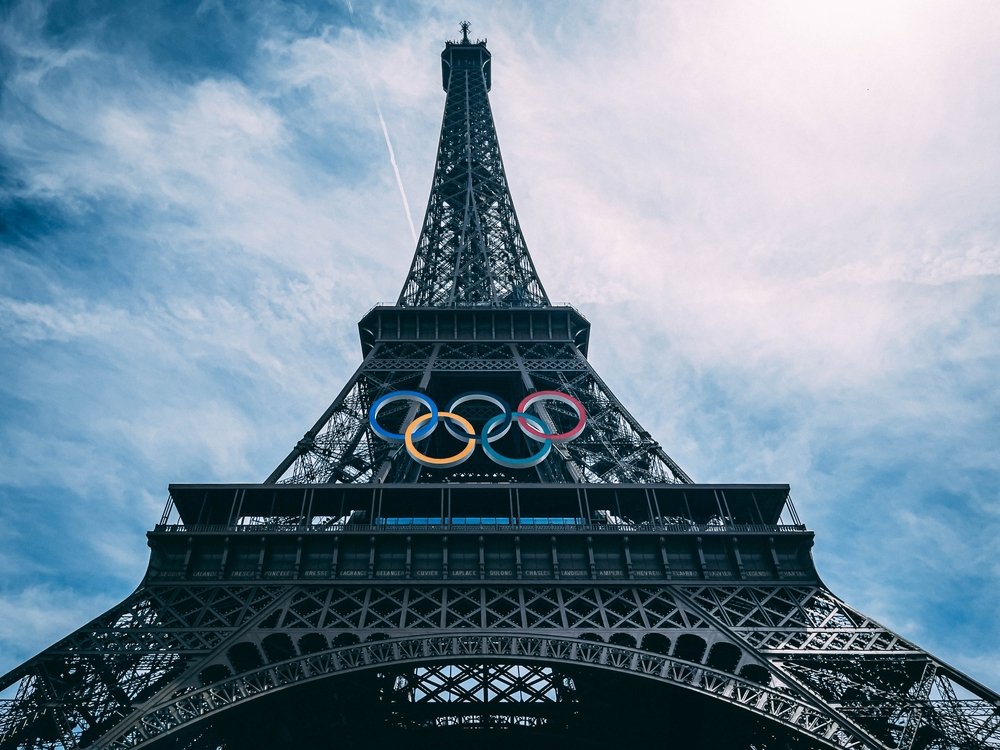
I am a member of Dharma Voyage, a rowing community on the Westport River in Westport, MA. We are all about community, inclusiveness, and some competition- we have a race team that races against other rowing clubs. It’s a joy to row with men and women of all ages. In fact, we have 3 teams going to the Great River Race in London taking place on 9/20/2025. We’ll be rowing 21.6 miles going under all 28 bridges on the Thames River. #bucketlist