
Buy Aspercreme. Why? See Below!

By Karen and Erica
Why do marketers not market to us? And why do we care?
The answer to the first is opaque.
The answer to the second is—because marketers showing older women as frail and needy and dowdy perpetuates an image that is demeaning, false, and outdated. People who see us as frail and needy and dowdy will not think of us as productive members of society. Marketers need to understand we are none of the above, and we are much more likely to buy what they are selling if they offer an authentic picure of women like us–and our men.
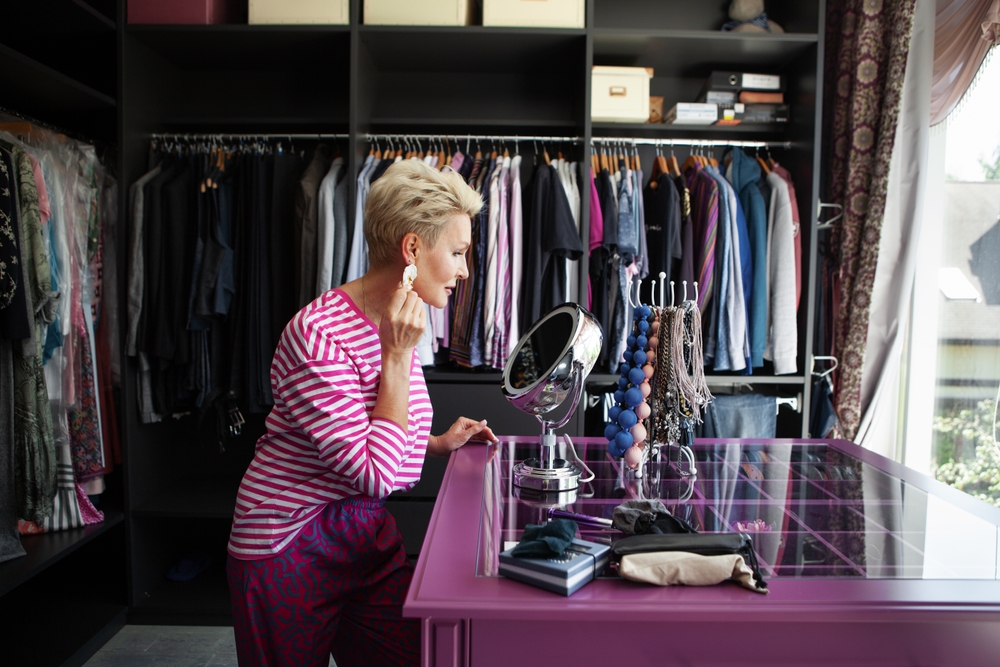
Those of us who are lucky enough to be alive are doing our best to stay healthy while we get older, so we appreciate goods and services that help in that regard. But we don’t spend all of our time thinking about whether parts of our bodies might fail. We are thinking about how to live with purpose, and how to have fun in our last decades. We are out and about, doing things, going places, seeing people. We travel to new venues, buy clothes that make us look as grand as we feel, dine at chic restaurants where we are right at home, and bedeck ourselves with sparkly jewels and fast cars and crazy hats.
And, our cohort is wealthy. Not every one of us, unfortunately, but as a group. Not only that, we have been making most of our families’ spending decisions for a long time. Now, we are spending on ourselves too. So—why on earth don’t marketers show us at the wheel of a red convertible in a floaty scarf and big sunglasses on Route 66? Why don’t they show us looking glamorous while we do interesting things?
But mostly they don’t. Instead, they portray us negatively, and apparently see us as the target markets only for funeral homes and bladder control products. We couldn’t say it better than Vanessa. And we don’t like it.
As a powerful storytelling tool, the media shapes our perceptions and aspirations. However, when it comes to narratives about aging, there appears to be a disconnect between the stories being told and the lived experiences of women, especially older women.
According to a recent survey by AARP, the majority of women:
- feel misrepresented by mainstream media images.
- feel more comfortable in their skin as they age.
- prioritize health over conventional beauty standards.
- challenge the relevance of the term “old.”
They even try to scare us about ourselves. Lots of ads warn if we don’t buy their stuff we will look like the stereotypes portrayed in their ads.
While a good number of ads target older people, they rely on scare tactics, preying on their insecurities and anxieties about aging. By emphasizing health risks, financial insecurity, and social isolation, these campaigns instill a sense of fear and inadequacy, rather than empowering older individuals to embrace the opportunities and challenges that come with age. Some ads are downright deceptive, particularly those promoting health insurance plans.
The results of all this insulting or deceptive marketing are not merely superficial. The portrayal of older people in ads carries very real implications for our society’s attitudes about aging, not to mention how older consumers see themselves. But the question remains: why do so many advertisers seem tone-deaf when it comes to this group?
Even when marketers are targeting younger people–our children or grandchildren–they see some inexplicable benefit to denigrating us.
For every uplifting campaign like this one from Donna Karan New York, featuring an iconic cast of multigenerational models, Madison Avenue persists in cranking out ads like this for LinkedIn (featuring yet another older person confused over technology). Then there’s this one for the financial firm Coventry Direct (making fun of older people being hard of hearing), or this doozy for Duracell (depicting a hapless older man combing the beach with a metal detector).
As you’ve likely noticed, too many advertisers still perpetuate cringey stereotypes, offensive imagery and ageist narratives — that is, when they pay older people any mind at all. A study by the data firm CreativeX, analyzing more than 126,000 brand messages, revealed that only 4% of people cast in ads in 2022 were over the age of 60, even though that segment constitutes some 16% of the population and represents fully one-quarter of consumer spending.
We can’t imagine that anyone would buy anything after seeing a message in which they–or their parents–are obviously targeted as old and grey and out of shape and incapable of figuring out how the world works any more. Where is this nonsense coming from?
Happily, some marketers have figured it out. We love the She’s really getting up there ad from Sanofi for Aspercreme. We also love the Michelob Ultra ads! Because of My Age for Estee Lauder is nice, and Amazon’s Joy Ride is indeed joyful! Decent ads can be done.
So retailers, wise up. Make us look good, which is good for us, and get rich in the process, which is good for you. And don’t worry about our children. As soon as they can afford to, they’ll be buying what we’re buying. Neither we nor they are the stereotypes you picture.


The ads are being created by people under 35 years of age (for the most part). They don’t care, and don’t understand our complaints about “ageism”. The second point is they don’t understand us. The solution could be to simply stop buying the products that are the “worst offenders”. If we do it as a group effort, I wonder what attention we would receive? A financial impact speaks louder than words?