
Artemis. And Apollo. Thrilling.


By Karen and Erica
Likely because we are children of the 60s, we are very excited that, after a half-century hiatus, we are now going back to the Moon.
The first lunar landing occurred on July 20, 1969, after the launch of Apollo 11, part of NASA’s then ambitious Apollo program. We remember to this day seeing, on a grainy black and white TV, Neil Armstrong step on the Moon. That’s one small step for man, one giant leap for mankind. Just hearing those words still brings a frisson of excitement and hope and joy.
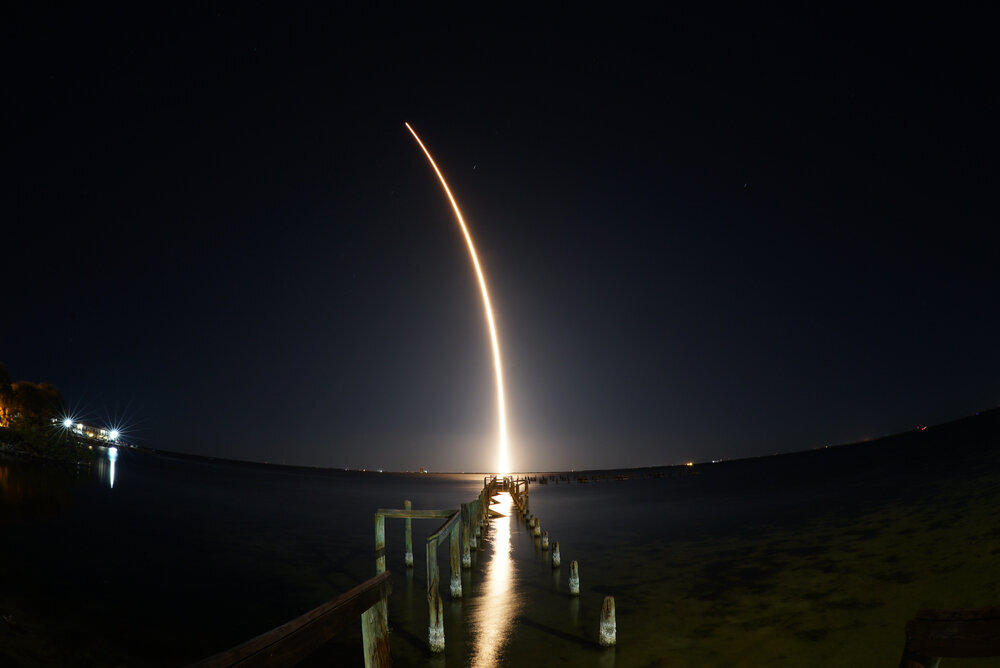
Artemis II, the second launch of NASA’s Artemis program, is on its way to slingshot around the moon, and by 2028 NASA hopes for the first Artemis lunar landing. Thrilling. We’re glad they’re hurrying, because we hope that hotel gets built on the moon in time for us to go.
Meanwhile–just who is Artemis?
In Greek mythology, Artemis is the twin sister of Apollo and the goddess of the moon, hunting and wild places. In Roman mythology, she is known as Diana. Artemis is the daughter of Zeus, who rules over all of the other gods, and Leto, one of the goddesses of childhood.
Artemis is often portrayed as independent, fiercely protective and closely connected to nature — qualities that resonate with NASA’s vision for a sustainable lunar program and mission designed to explore uncharted territory. She is often depicted carrying a bow, or sometimes a torch.
Artemis is also the twin sister of Apollo, for whom the first adventure was named. Who is he?
Apollo, Artemis’s twin brother, is the Greek god of the sun, light, music and prophecy. In spaceflight history, his name is synonymous with NASA’s original moon program, which flew between 1961 and 1972 and culminated in six successful lunar landings.
The Apollo missions proved that humans could travel to another world, work there and return safely — a technological and cultural achievement that defined a generation. Apollo 11’s first lunar landing in 1969 remains one of the most iconic moments in human history, symbolizing exploration, ambition and ingenuity.
Indeed, Apollo owes his existence in part to Artemis.
Artemis was born first, just in time for her to then help her mother through the birth of her twin brother (yes, Artemis helped to give birth to her brother just minutes after being born herself…they don’t call them gods for nothing.
In its naming strategies, NASA is very poetic. And maybe poetry animates more than just the names, as might be a consequence of thinking about space, and the Moon, and Mars, every day. Listen to the then-director of NASA, Jim Bridenstine, who had this to say when Artemis was announced:
The first time humanity went to the Moon, it was under the name Apollo. The Apollo program forever changed history, and I know all of us here in this room and on the phone are very proud of the Apollo program. It turns out that Apollo had a twin sister, Artemis. She happens to be the goddess of the Moon. Our astronaut office is very diverse and highly qualified. I think it is very beautiful that 50 years after Apollo, the Artemis program will carry the next man and the first woman to the Moon. I have a daughter who is 11 years old, and I want her to be able to see herself in the same role that the next women that go to the moon see themselves in today. This is really a beautiful moment in American history, and I’m very proud to be a part of it.
The link between the Apollo and Artemis names is, plainly, quite purposeful, both as a matter of poetry and to telegraph NASA’s vision.
NASA chose the name [Artemis] to directly connect its new missions with the earlier Apollo era, while also signalling that this is a new phase of exploration.
The shift from Apollo to Artemis is not just about names—it reflects a change in goals.
Apollo was about getting to the Moon first
Artemis is about staying there longer and building for the future
Does it seem that the names rather reflect the different approaches of men and women generally, ladies? More importantly, though, we thank NASA, and all of the astronauts, and everyone involved in this amazing human endeavor, for inspiring us–again. And hopefully, as it did in the 1960s, when we look again upon our exquisite, blue and green, tiny, galactic sphere–this time from the dark side of the moon–we will be reminded of what we all share on this spectacular planet.



We want to hear what you have to say.